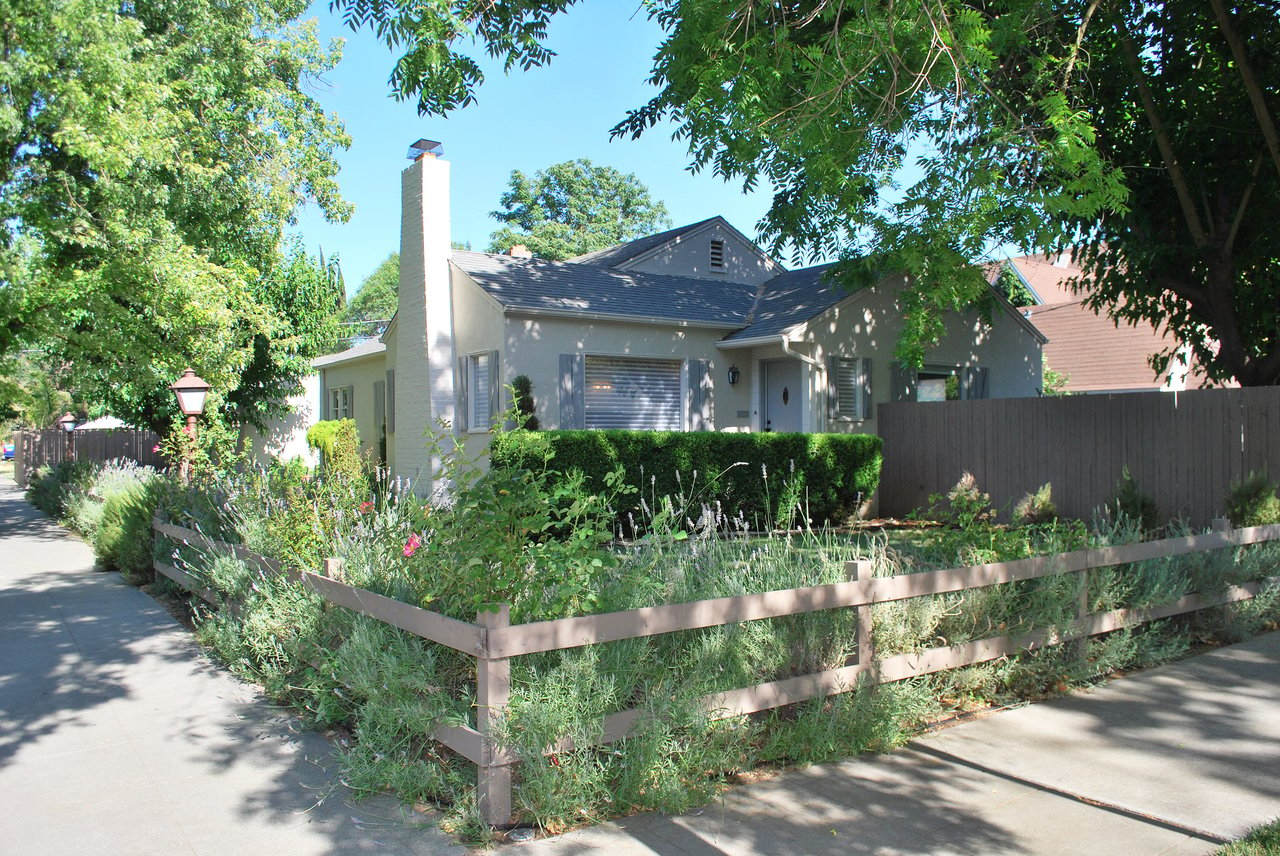
Explore Central Woodland Home Architectural Styles
June 11, 2026
June 11, 2026
If you’re drawn to older homes with real personality, Central Woodland stands out right away. This part of Woodland is not defined by just one look or one era, which is part of what makes it so appealing when you’re house hunting. Understanding the architectural styles here can help you spot what fits your taste, your lifestyle, and the level of upkeep you want to take on. Let’s dive in.
The City of Woodland describes its historic core as a “museum of housing styles.” That is a helpful way to think about Central Woodland, especially if you are exploring the area around Downtown Woodland and the nearby older residential streets.
This is a walkable part of the city where architecture changes from block to block. The city’s preservation materials note homes dating from the 1860s to the 1940s, and Woodland’s walking tours cover more than 400 buildings across 7.5 miles. That layered mix is a big reason Central Woodland feels both historic and lived-in rather than frozen in one period.
Downtown Woodland also serves as the city’s civic and commercial heart and is a National Register Historic District. In and around the center of town, you’ll see a wide range of styles, from ornate Victorian-era homes to early 20th-century bungalows and revival styles with more formal detailing.
If you picture a classic historic home with decorative trim and strong street presence, you are probably thinking of the Victorian family of styles. In Central Woodland, that often includes Italianate and Queen Anne homes.
The city’s Victorian & Craftsman Age tour specifically points to classical Italianates and picturesque Queen Anne homes on College Street. These homes tend to stand out for their ornament, vertical shape, and detailed exterior woodwork.
Craftsman bungalows are another signature style in Central Woodland. The city’s walking-tour materials devote a separate bungalow route to this part of Woodland, which tells you how important this style is to the area’s identity.
These homes usually look and feel different from Victorian houses. Rather than ornate decoration, Craftsman homes tend to emphasize natural materials, broad rooflines, deep eaves, and strong porch presence.
As you explore Central Woodland, you may also notice homes and buildings that feel more formal or classically composed. Woodland’s planning documents identify Colonial Revival and Spanish Colonial as part of the historic core’s predominant mix.
These styles help explain why Central Woodland does not feel visually repetitive. Even within a few blocks, you can move from a bungalow-lined street to homes with more symmetry, masonry, stucco, or revival-era detailing.
In Central Woodland, architectural charm often comes with specific maintenance considerations. Homes with more original detail usually require more attention to preserve the features that make them special.
Victorian homes often have decorative wood trim and more intricate exterior elements. Craftsman homes may emphasize porches, exposed structure, and woodwork. Colonial Revival homes typically bring more formal trim, while Spanish Colonial Revival homes rely more on stucco and tile.
That does not mean one style is better than another. It means the upkeep profile can vary, and it is worth thinking about your comfort level with maintenance before you fall in love with a particular facade.
One of the most common questions buyers have is whether an older home will be hard to remodel. In Central Woodland, the answer is often: it depends on the property.
The City of Woodland says its Historic Preservation Commission oversees alterations to historical resources. The city’s application materials define alteration broadly and show that exterior changes such as windows, roofing, trim, colors, new construction, relocation, and demolition can all matter when a designated resource is involved.
That is why style and designation are two separate things to understand. A home may look historic, but the remodeling path depends on whether it is a designated landmark or located in a designated historic district. If you are considering updates, it helps to understand that early in your search.
Central Woodland is not limited to just a handful of architectural types. Woodland’s Heritage Home Awards show a broader local mix that includes Tudor, French Cottage, Mid-Century, Spanish Revival, and Streamline, in addition to Victorian, Queen Anne, Colonial Revival, and Craftsman Bungalow.
For you as a buyer, that means Central Woodland rewards close attention. If you enjoy homes with design personality, this area gives you a lot to notice and compare.
If you want help evaluating home styles, historic character, and what those details may mean for layout or future updates, Lupe Springer offers calm, local guidance rooted in Woodland market knowledge and a real appreciation for how homes function beyond first impressions.
Stay up to date on the latest real estate trends.
Experience a real estate partnership built on trust, expertise, and genuine care. Lupe brings a lifelong understanding of what “home” truly means to every client and every decision.