Your Guide to Buying a Home in Central Woodland
March 5, 2026
March 5, 2026
You love the idea of strolling shaded streets to dinner, coffee, and the historic Woodland Opera House. Central Woodland makes that possible, with character homes and parks close by. Still, choosing the right home in this older, walkable core takes a clear plan. In this guide, you’ll learn how to assess style, condition, lot size, ADU potential, and the tradeoffs between turnkey and fixer so you can buy with confidence. Let’s dive in.
Central Woodland sits beside Downtown Woodland’s recognized historic district, home to landmarks like the Woodland Opera House and the Carnegie library. The City highlights this area as the community’s historic center and celebrates well‑kept properties through its preservation program. You can explore the city’s program and context on the Historical Preservation page for a feel of the neighborhood’s heritage and priorities. See the City’s historical preservation overview.
You’re also close to parks and daily conveniences. City Park, Christiansen Park, Clark Field, and Freeman Park are a short hop from many Central Woodland blocks. If outdoor time matters to you, browse the City’s park list to see facilities and locations. Check Woodland’s parks and facilities list.
Finally, expect ongoing public investment. City and county partners have planning and grant wins focused on greater Central Woodland, including a Choice Neighborhoods planning effort and separate awards tied to transit and affordable housing. These can improve walkability and amenities over time, with the usual short‑term construction activity you see with upgrades. Get familiar with current initiatives: Yolo County Housing’s planning page and the City’s update on the Tupelo transit and affordable housing award.
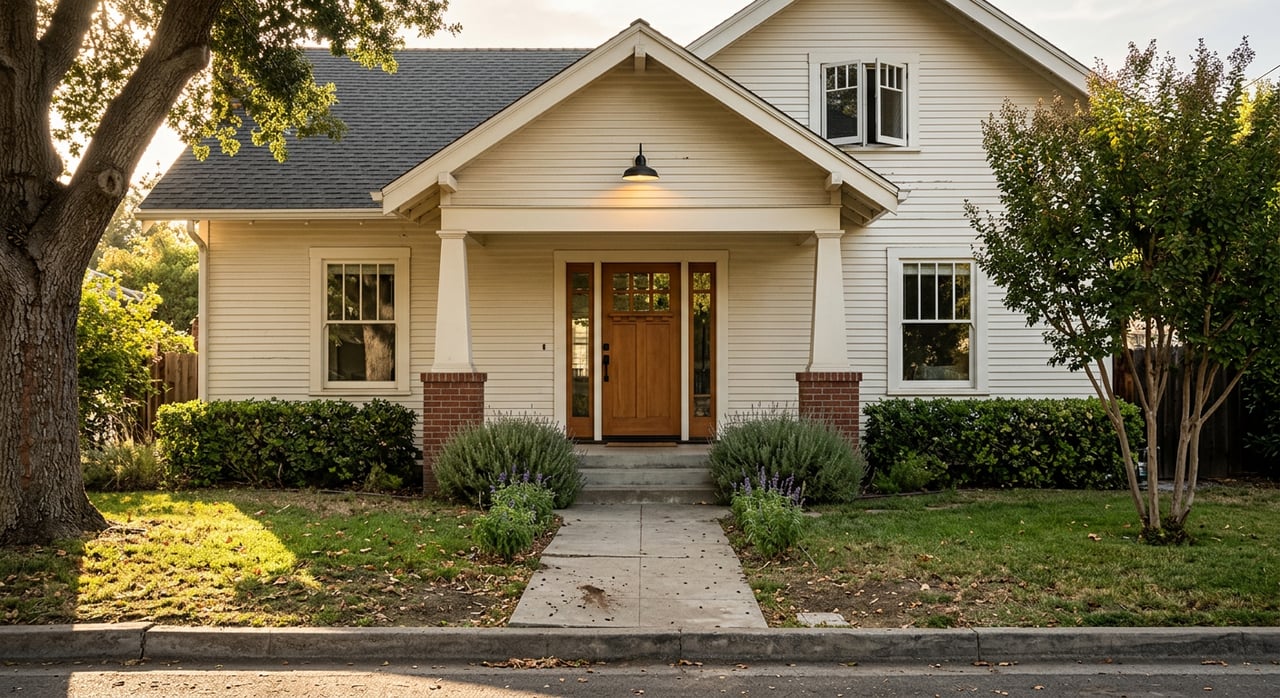
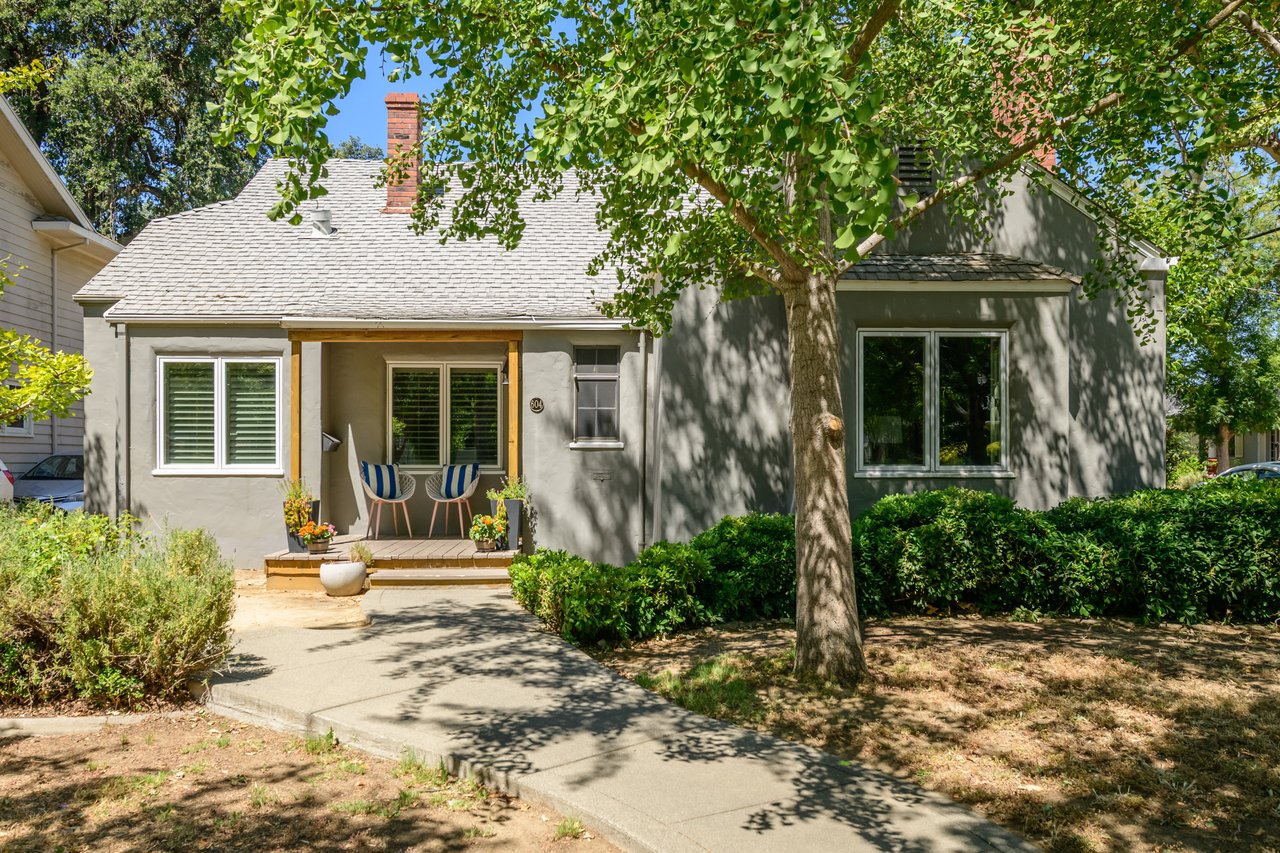
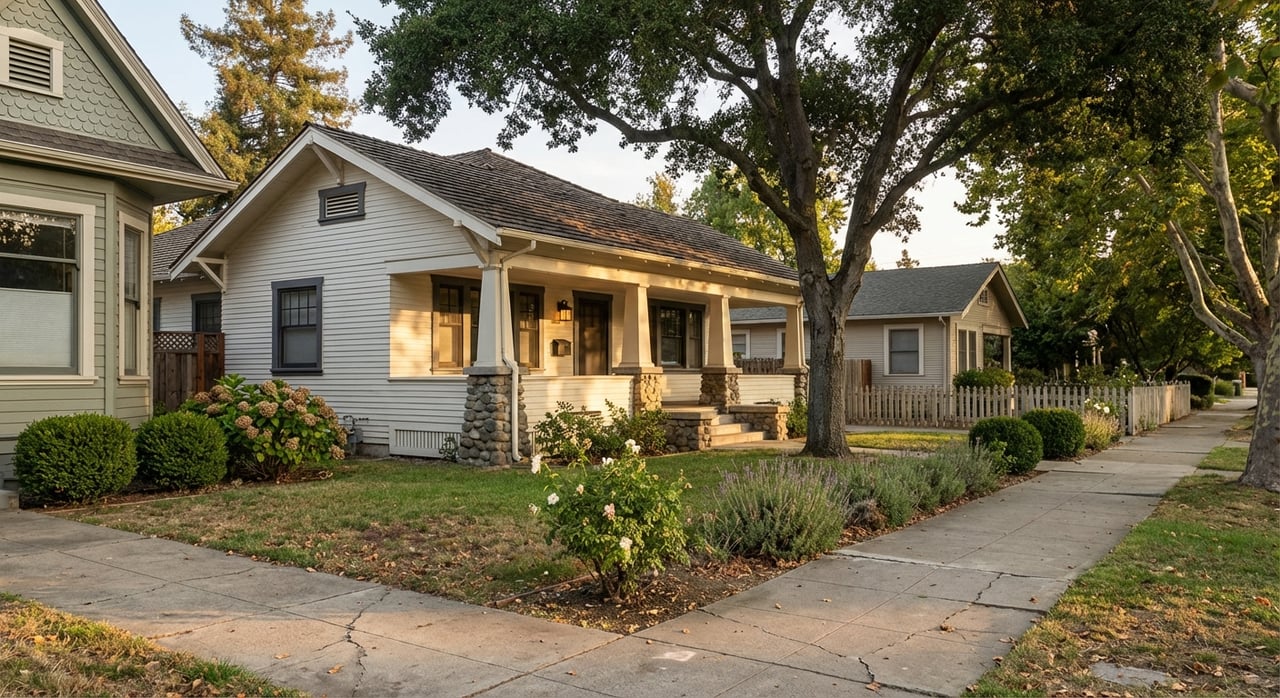
If you love period detail, Central Woodland delivers. Many homes date to the first half of the 20th century. You’ll find bungalows and Craftsman‑era cottages from the 1910s–1930s, Tudor touches in some pockets, and mid‑century ranches from the 1940s–1950s. Recent infill adds variety too.
Real‑world examples show the range. Listings have featured a 1925 bungalow on Pendegast Street, a 1947 mid‑century on Westwood Way with a generous lot, and a 1951 “vintage” home on Homewood Drive. These snapshots illustrate what you’ll commonly tour: character up front, with systems and finishes that may be original, upgraded, or somewhere in between.
Most Central Woodland single‑family homes fall around 900 to 1,600 square feet, with lots commonly in the 4,000 to 10,000 square foot range. You will also see larger parcels, including occasional near quarter‑acre sites. That lot depth is one reason buyers here often consider additions or an accessory dwelling unit.
You’ll find a mix of building types near the downtown core, including single‑family homes, some small multi‑unit properties, and mixed residential‑commercial buildings. Zoning varies by parcel, so if you have goals like adding an ADU, building up, or preserving a quiet residential context, verify the parcel’s zoning and standards with the City’s planning and building divisions before you commit.
City‑level medians in Woodland have hovered in the roughly 535,000 to 600,000 dollar band in late 2025 and early 2026 across public aggregators. Neighborhood pricing inside Central Woodland depends more on micro‑location and condition than the label alone. Smaller move‑in‑ready homes have appeared from the mid‑300,000s to the 500,000s depending on size and updates, and larger renovated period homes or properties on larger lots can list higher.
Inventory is often tight relative to demand. To zero in on fair value, pair the city context with 6 to 12 recent Central Woodland sold comps that match your target block, lot size, and style. Your offer strategy should track the home’s condition and uniqueness as much as the headline price.
When you shop older housing stock, the right choice is less about “perfect house” and more about informed tradeoffs.
Financing tip: If you like the idea of “buy plus renovate,” explore renovation loans that roll improvements into the mortgage. Fannie Mae’s HomeStyle Renovation program is a good starting point to understand timelines, inspections, and eligible costs. Lenders can also explain FHA 203(k) options. See Fannie Mae’s HomeStyle Renovation FAQ.
Many Central Woodland lots can accommodate a detached ADU or a garage conversion within the City’s standards. If future rental income, multigenerational living, or a studio space matters to you, make ADU feasibility part of your first‑tour checklist. Measure usable side and rear yard, note existing outbuildings, and confirm utility access points.
Woodland follows state ADU law and publishes a helpful overview and links to code language, including size limits, setbacks, and review pathways. Start here, then confirm details with City staff during due diligence. Check Woodland’s ADU Basics.
Use this step‑by‑step checklist to compare Central Woodland homes with confidence.
Two streets a few blocks apart can feel very different. Use these simple checks to sort your favorites:
Here are three common ways buyers succeed in Central Woodland. Use them to clarify your strategy.
The character‑home purist: You want original moldings, built‑ins, and porch life. Target 1920s–1930s bungalows or cottages around 1,000 to 1,400 square feet. Plan for system updates over time and budget for lead‑safe practices if you renovate. Preservation‑minded touches can shine here.
The mid‑century plus yard seeker: Think 1940s–1950s ranches on larger lots, sometimes near a quarter acre. If outdoor living or future additions matter, this profile gives you room to grow. Check electrical capacity and sewer laterals and make ADU feasibility part of the tour.
The value‑builder: You are open to a fixer with solid bones. Focus on layout potential and structural soundness. Pair a renovation loan with a clear scope and permit plan. Lead‑safe work rules, permit history, and realistic timelines are your risk controls.
Choosing the right Central Woodland home is about fit, not luck. Define your must‑haves, use the checklist above on every tour, and ground your offer in fresh comps and a clear plan for updates or additions. If you want a steady partner who knows how older homes live day to day and how to navigate permits, ADUs, and renovation financing, let’s talk.
Schedule a free consultation with Lupe Springer to map your best path to a Central Woodland home.
Stay up to date on the latest real estate trends.
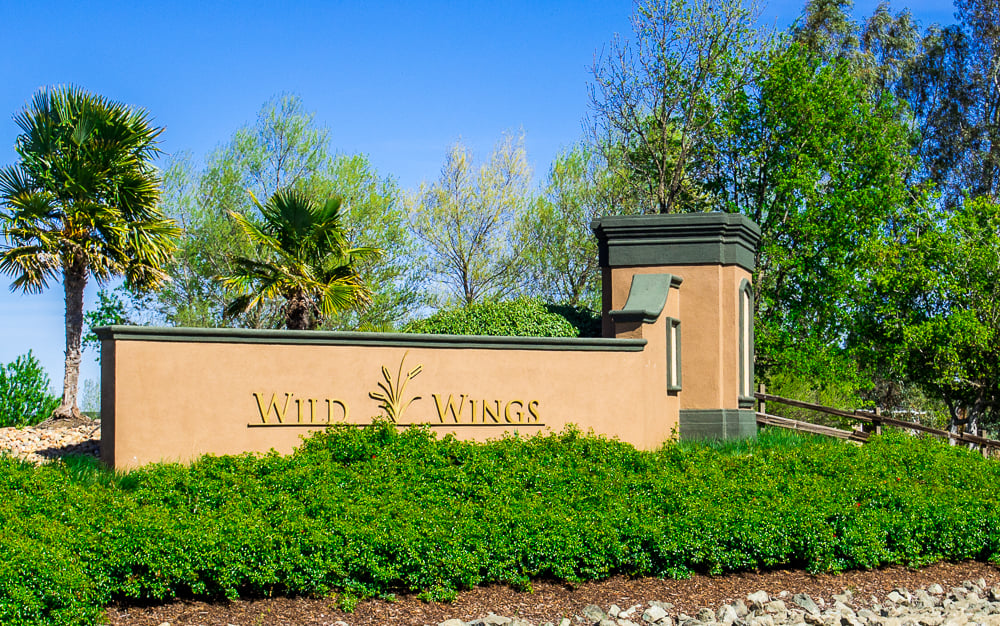
Buying a golf course home in Wild Wings near Woodland, CA? Learn about Wild Wings Golf Club, Yolo Fliers Club, HOA amenities, insurance, and resale considerations.
Experience a real estate partnership built on trust, expertise, and genuine care. Lupe brings a lifelong understanding of what “home” truly means to every client and every decision.