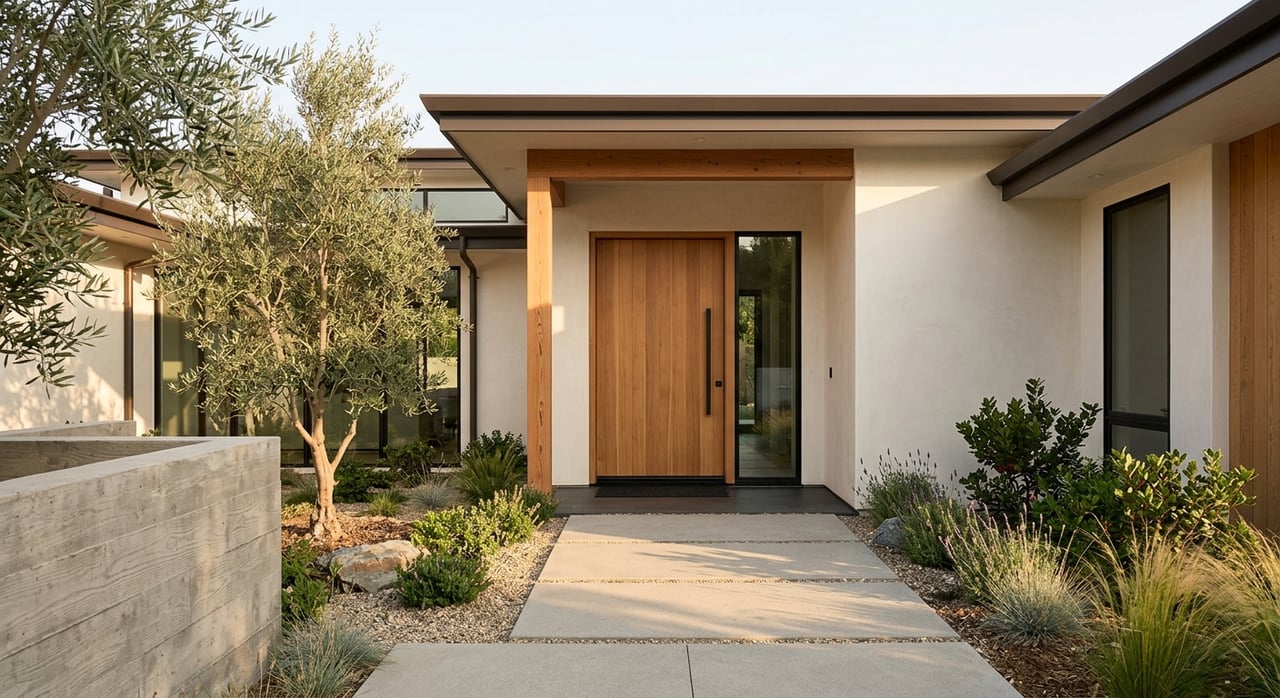
El Macero vs Davis Homes for Your Next Move
July 2, 2026
July 2, 2026
If you are deciding between El Macero and Davis for your next move, the right answer usually comes down to how you want daily life to feel. Some buyers want more space, a quieter residential setting, and a home that feels tucked away. Others want more housing options, easier biking or transit, and a city environment with more built-in variety. This guide will help you compare the two in practical terms so you can move forward with more confidence. Let’s dive in.
El Macero and Davis sit close together, but they offer very different living experiences. El Macero is a small unincorporated community in Yolo County just southwest of Davis, while Davis is a much larger city with a university-town identity.
The scale difference is significant. El Macero had 1,074 residents in 2020, while Davis had 66,850. That difference shapes everything from housing patterns to transportation choices to the pace of everyday life.
El Macero has an enclave-like feel by Yolo County standards. With a population density of 1,829.1 people per square mile, it offers a lower-density residential setting than Davis.
The community is closely tied to the El Macero Country Club and County Service Area 1, often called CSA 1. Yolo County says CSA 1 provides sewer, water, and road-related services, with sewer and water service provided by the City of Davis.
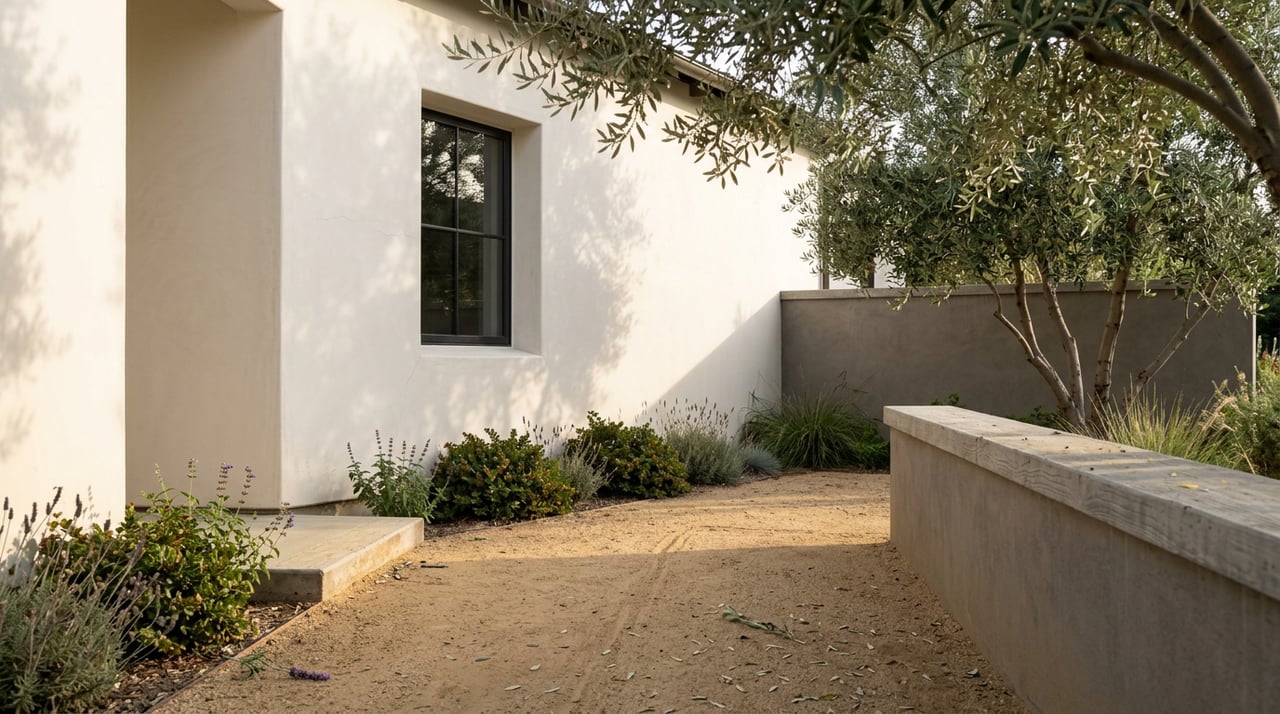
The country club and golf course meander through about 168 acres within the residential area. There is also the El Macero Agricultural Buffer, which adds a three-acre trail corridor for walking, biking, and wildlife viewing.
Davis operates at a very different scale. Its population density was 6,703.8 people per square mile in the 2020 Census, and the city describes itself as a university town with parks, open spaces, a year-round farmers market, and a strong biking culture.
If you like having more civic activity built into your routine, Davis may feel like a more natural fit. The city highlights more than 50 miles of bicycle paths and says it has more bicycles per capita than any other city in the nation.
If housing type is a major factor, this is one of the clearest differences. Census Reporter’s ACS 2024 profile shows El Macero with 360 housing units and a 100% single-unit structure share.
In plain terms, El Macero is dominated by single-family-style homes rather than apartments or dense attached housing. Recent county filings also reinforce the area’s large-lot pattern, with proposed lots around 12,927, 15,412, and 13,741 square feet and setbacks of 30 to 35 feet.
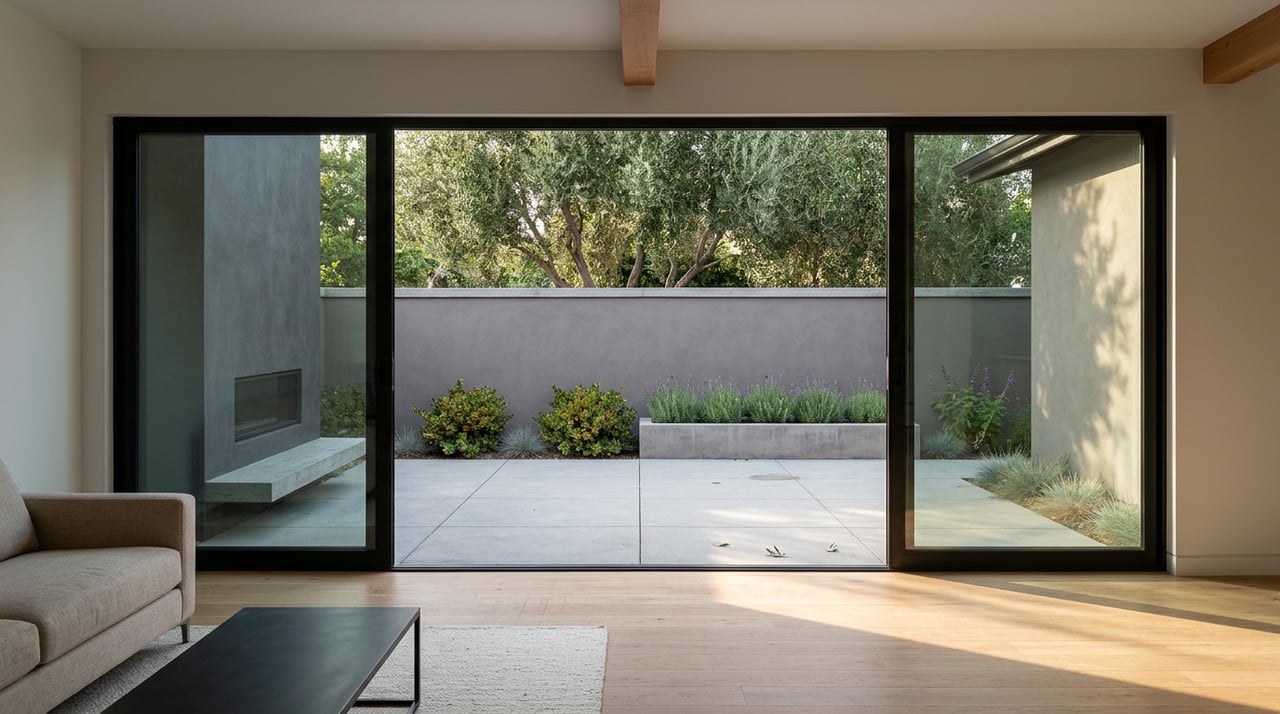
For many buyers, that translates to more separation between homes and a stronger sense of privacy. If you are looking for a larger-lot residential environment, El Macero stands out.
Davis gives you a broader menu of housing choices. The city’s affordable housing information says Davis includes homes and apartments for rent and purchase, along with mixed-income and fully affordable communities, cooperative housing, senior housing, and supportive housing.
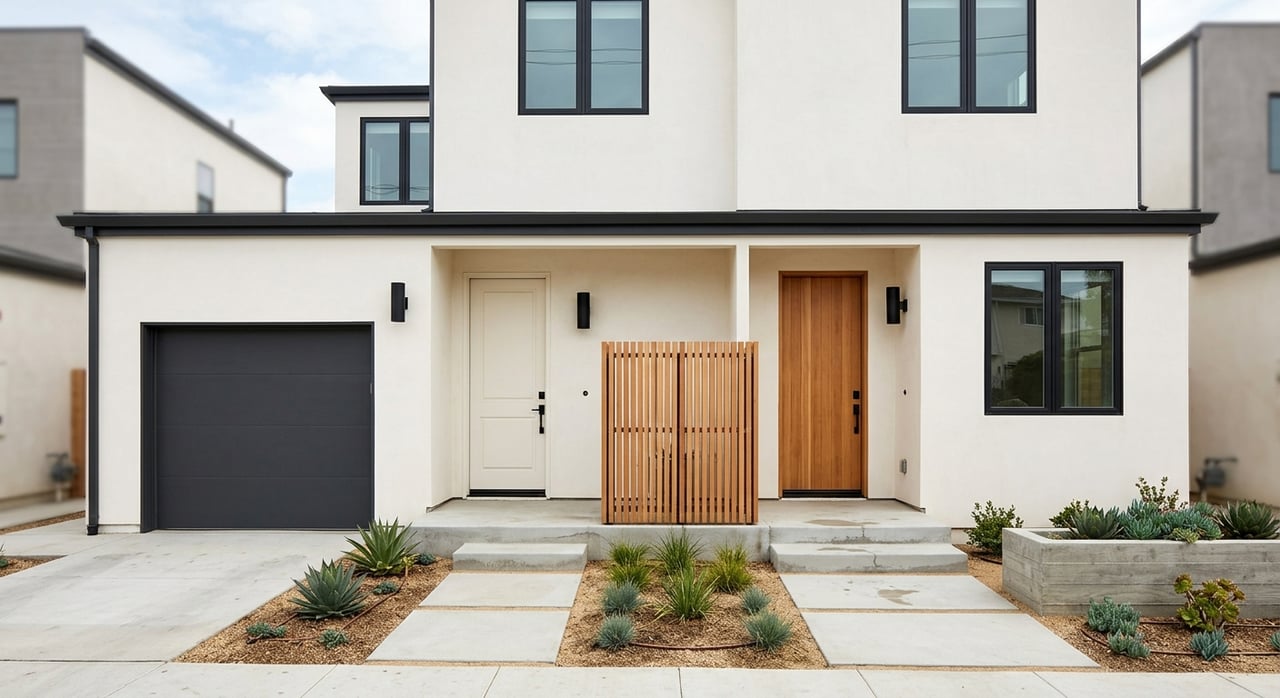
The city’s housing pipeline also includes apartments, mixed-use projects, single-family homes, and multifamily projects. Recent project pages show attached single-family homes, small-lot subdivisions, cottages, townhomes, detached homes, and affordable apartments.
That variety matters if you want flexibility. Whether you are looking for a detached home, a townhome-style option, or something tied to new development, Davis generally offers more paths to match your budget and lifestyle.
Your transportation habits can make one community feel much easier than the other. In El Macero, the ACS 2024 profile shows a mean commute of 33.2 minutes, with 73% driving alone and 22% working from home.
That suggests a more car-heavy routine for many residents. Because El Macero has a limited internal amenity base and a county-service-area structure, many daily errands are likely to extend into Davis or other nearby destinations.
If you are comfortable driving for errands, dining, or other routines, this may not feel like a drawback. For some buyers, the tradeoff is worth it for the space and lower-density setting.
Davis gives you more ways to get around. Its ACS 2024 profile shows a 22.4-minute mean commute, with 50% driving alone, 11% bicycling, 6% using public transit, 5% walking, and 23% working from home.
The city says it maintains 102 miles of bike lanes and more than 50 miles of bicycle paths. Davis also has a busy Amtrak station at 2nd and H, with connections to Unitrans and Yolobus, including express service to Sacramento.
If you want options beyond driving, Davis has a clear advantage. That can shape not only your commute, but also how easily you can build errands, recreation, and regional travel into your week.
In El Macero, the rhythm of daily life is often more tied to home and club amenities. The El Macero Country Club offers golf, tennis, swimming, pickleball, food-and-beverage service, and social events.
That creates a different lifestyle pattern than a traditional city center. If you enjoy a residential setting with recreation close to home, El Macero may feel very comfortable.
The agricultural buffer also adds a nearby outdoor option for walking and biking. While it is a smaller recreation asset than what Davis offers citywide, it still contributes to the area’s immediate livability.
In Davis, routines are more likely to revolve around the city’s broader amenity mix. The city highlights parks, open spaces, the year-round farmers market in Central Park, arts, and a broad bicycle network.
For some buyers, that means a more active pattern of daily life with more places to go and more ways to get there. If you value convenience, variety, and a stronger connection to city amenities, Davis often checks more boxes.
One practical point that buyers should understand is that El Macero is not simply a neighborhood within the City of Davis. It is an unincorporated community organized through a county service area.
That means the ownership and maintenance context can feel different from what you would expect in Davis. Yolo County says CSA 1 handles sewer, water, and road-related services, and buyers should be comfortable understanding how that structure works as part of their due diligence.
Davis functions within a more typical city framework. For many buyers, that may feel more familiar when it comes to city services, transportation systems, and development patterns.
This does not make one option better across the board. It simply means the two areas come with different practical setups, and it is worth thinking through which one feels more comfortable for you.
El Macero is often the better fit if your priority list includes:
If the function of the property matters as much as the address, El Macero can be especially appealing. Buyers who care about lot size, layout, outdoor space, and a calmer day-to-day environment often find that this setting aligns with how they actually want to live.
Davis is often the better fit if your priority list includes:
If you want flexibility in both home type and transportation, Davis usually gives you more options. That can be especially helpful if your needs may change over time.
A good comparison usually comes back to a few practical questions:
When buyers get stuck, I often suggest focusing less on labels and more on routines. Think about how you want your mornings, errands, commute, and weekends to work. The better fit is usually the place that supports your real life most naturally.
If you want help comparing homes, lot patterns, and lifestyle tradeoffs in El Macero or Davis, Lupe Springer can help you sort through the details and make a confident plan.
Stay up to date on the latest real estate trends.
Experience a real estate partnership built on trust, expertise, and genuine care. Lupe brings a lifelong understanding of what “home” truly means to every client and every decision.