The Point-of-Sale Checklist Is the Same Citywide. Central Woodland Just Fails It More Often.
September 17, 2026
September 17, 2026
Every home sale in Woodland runs into the same three lines on the city's Building Division website. Smoke detectors in the right rooms. A spark arrestor on the chimney. Straps on the water heater. Nobody drafted this list specifically for Woodland. It is a page hosting requirements that already apply to every home transfer in California.
What changes from one part of the city to another is not the rule. It is the odds that a given house already meets it. And in Central Woodland, inside the boundaries of the Downtown Woodland Historic District, those odds run worse than almost anywhere else in town, for reasons that have nothing to do with how well a house has been kept up and everything to do with the year it was built.
The city's Necessary Repairs and Improvements at Time of Sale page lays out exactly three requirements a seller has to satisfy before closing. Strip away the code citations and it reads like this:
| Requirement | Where It Comes From | What It Targets |
|---|---|---|
| Smoke detectors | Uniform Building Code 310.9.1.4 | Every sleeping room, every hallway leading to a sleeping room, every level of a multi-story home |
| Spark arrestors | Uniform Building Code 3102.3.8 | Any solid fuel burning appliance, with openings sized between 3/8 and 1/2 inch and a net free area four times the chimney outlet |
| Water heater strapping | SB 304, the Rosenthal bill, effective January 1, 1996 | Every water heater, braced according to tank size, with rigid water line connections no longer allowed |
None of these three items were written into a Woodland ordinance. They are statewide seismic and fire safety rules that get enforced at the point where they matter most: the transfer of title. The city just happens to publish them in plain language, which is more than most jurisdictions bother to do.
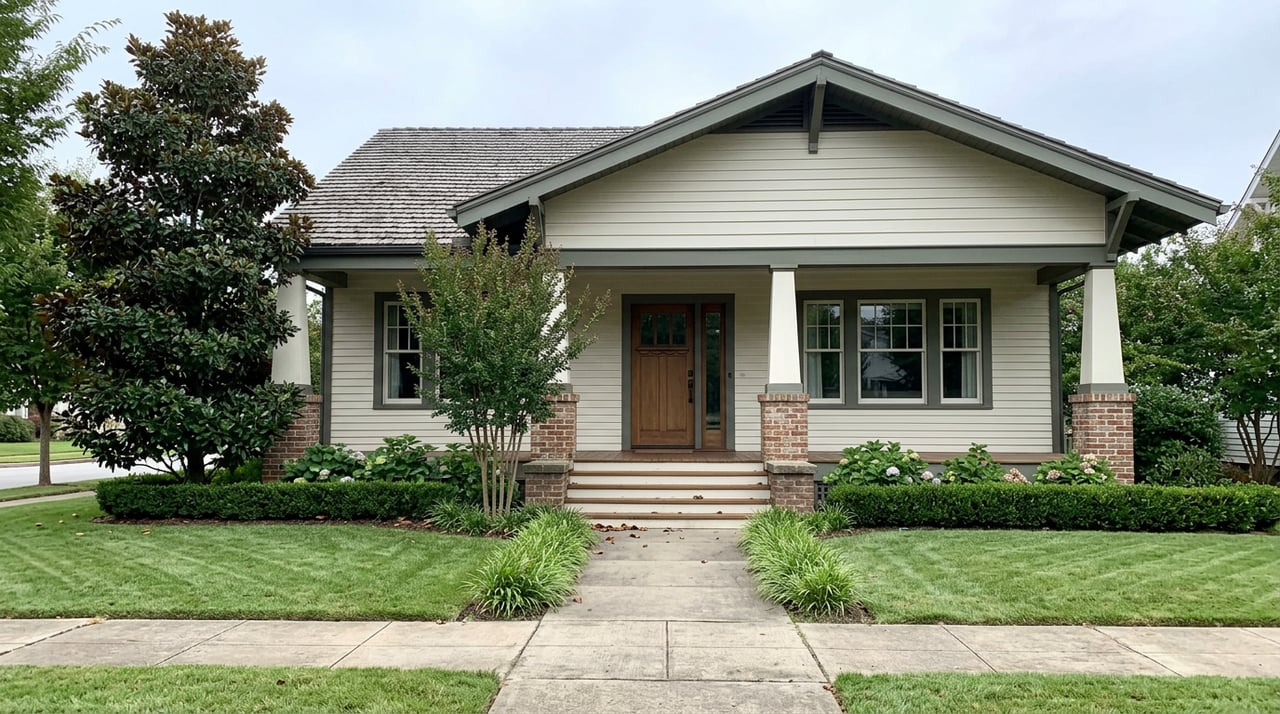
Here is where the housing stock does the talking. The Downtown Woodland Historic District sits on the National Register of Historic Places, covering roughly 370 acres with a period of significance running from 1866 to 1948. The residential blocks that ring downtown, stretching from Main Street east toward the freeway, are heavy with homes built in the 1910s through the 1940s. That means galvanized supply lines, undersized electrical panels, and in the older blocks, wiring systems that predate anything resembling modern code.
None of that is guaranteed. A well-maintained 1940s bungalow can sail through with nothing to fix. But the pattern holds often enough that it is worth naming: a home built before 1948 is far more likely to still be running a real wood-burning fireplace, an unbraced water heater installed decades ago, or a smoke detector layout that was never updated when a second story got added in 1985.
Compare that to Gibson Ranch and Spring Lake, the newer development areas to the southeast. Homes there were built after all three of these requirements were already law. Water heaters got strapped at installation because the plumber had no other option. Fireplaces, where they exist, are almost always sealed gas units that never trigger the spark arrestor rule in the first place, because a gas insert is not a solid fuel appliance. Smoke detector placement was already checked against current code the day the certificate of occupancy was issued.
The rule is identical in both neighborhoods. The pass rate is not. That difference is the whole story, and it is one most sellers never hear until an inspector is standing in their garage.
Water heaters up to 52 gallons require strapping top and bottom. Units up to 75 gallons require three straps, and 100-gallon units require four. Rigid water line connections are no longer permitted.
That single paragraph, straight from the city's own page, is the one that catches people off guard most often, and for a reason that has nothing to do with the strapping itself.
Most sellers assume a water heater retrofit means a bigger project than it actually is. It does not. Two straps for a standard 40 or 50 gallon tank, three for the larger 75 gallon units some older homes still run, four for a 100 gallon tank that almost nobody in a single-family home actually has. The materials cost is minor. The confusion comes from a different detail buried in the same paragraph: the platform requirement that applies to water heaters installed in garages does not apply to the time-of-sale rule. A seller or a contractor who conflates the two can end up building a platform that was never required, or skipping a strap that was.
The reason this shows up more in Central Woodland than in newer subdivisions is simple math. A water heater installed before January 1996, and never touched since, was installed before the strapping law existed. A water heater installed in a Spring Lake home built in the 2000s was strapped the day it went in, because the plumber had no legal way to skip it. Age of the tank, not quality of the home, decides which side of that line a seller lands on.
None of these three items is expensive or slow to fix on its own. The cost shows up when they surface late, during a buyer's inspection period or a final walkthrough, instead of before the home ever goes on the market. A missing spark arrestor or an unbraced water heater found in week three of escrow does not usually kill a deal, but it does add a repair request, a re-inspection, and a few days most sellers would rather not spend arguing over a twenty-dollar strap kit.
The fix is not complicated. A seller who knows the three lines on the city's page, and who understands that a pre-1948 home is more likely to need at least one of them addressed, can walk into escrow with the work already done. That is the entire difference between a smooth close and a delayed one, and it costs nothing to know in advance.
Does selling a home as-is get me out of these three requirements? As-is language in a listing affects who pays for repairs and how issues get negotiated. It does not change whether the smoke detectors, spark arrestor, and water heater straps need to be in place before title transfers. Worth confirming with your escrow company how the paperwork handles this in your specific sale.
Do newer Woodland neighborhoods skip this checklist entirely? No. The same three requirements apply to every home sale in California, regardless of when the house was built or which part of town it sits in. Homes in newer areas like Spring Lake and Gibson Ranch typically already meet all three, simply because they were built after the underlying laws existed, not because they are exempt from them.
Who actually verifies this gets done before closing? The city does not send an inspector to every home sale. In practice, these items get addressed the same way any other repair item does, through the disclosure process and the buyer's inspection period, before contingencies are removed.
A house built in 1922 and a house built in 2004 answer to the exact same state law. One of them just has a better chance of already meeting it. If you're planning to sell a home in Central Woodland's historic core, the smartest move is finding out which of the three items your house is missing before a buyer's inspector does it for you.
That is the kind of detail that comes from having spent real time inside these houses, not just reading listings from the outside. Lupe Springer has spent over two decades in Woodland and Davis real estate, with a builder's eye for exactly this kind of pre-1950s housing stock. If you're weighing a sale in the historic district and want a straight answer on where your home stands, schedule a free consultation.
Stay up to date on the latest real estate trends.




Experience a real estate partnership built on trust, expertise, and genuine care. Lupe brings a lifelong understanding of what “home” truly means to every client and every decision.